
At Yorktown Health in Lisle, patients can receive extended heart monitoring, a safe, noninvasive test that records your heart rhythm over several days or weeks. Unlike a short ECG that captures only a few seconds, this test tracks your heart’s activity throughout your daily life, even while you sleep or exercise. It helps detect irregular heart rhythms that may come and go, giving your provider the information needed to make the right diagnosis and treatment decisions.

Here’s what happens during your test:
Small, light monitor attached
Tracks heart rhythm continuously
Records every heartbeat pattern
Provider reviews and explains data
The monitor is lightweight, comfortable, and easy to wear. You can continue working, sleeping, or exercising while it records valuable information about how your heart behaves in real life.
Captures rhythm changes that a standard ECG might miss, helping your provider identify conditions like arrhythmia or palpitations with accuracy.
Records your heart’s activity through daily routines, offering a complete view of how your heart performs under different conditions, rest, work, or exercise.
Provides the detailed insights your doctor needs to tailor your care plan and prevent potential complications early.
At Yorktown Health, we make advanced heart testing simple and stress-free. Our trained clinical team ensures your monitoring device is fitted comfortably, and every reading is carefully reviewed. You’ll receive detailed feedback and personal guidance based on your unique results. From start to finish, you’ll know exactly what’s happening and why, with genuine support every step of the way.

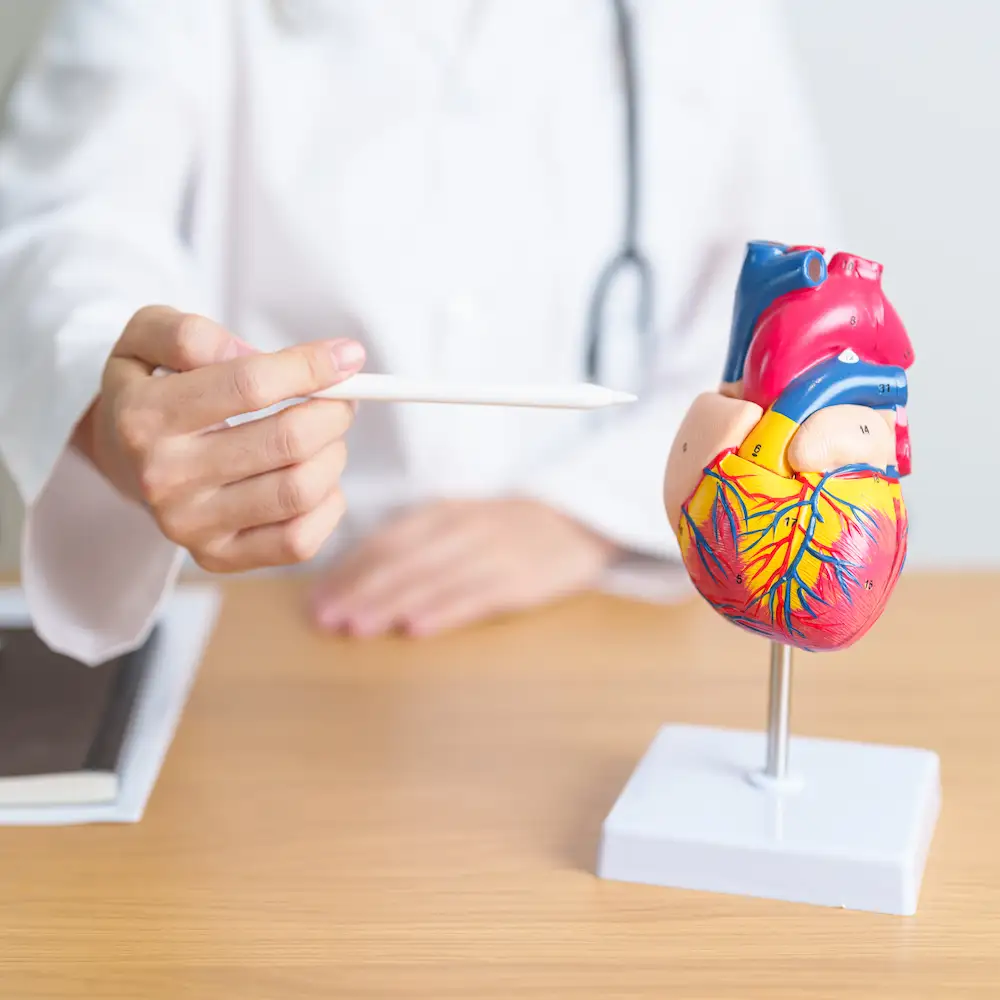
Heart rhythm problems can appear suddenly and vanish just as fast. Extended monitoring helps catch these irregularities in real time, providing an accurate picture of your heart’s performance over days or weeks. Detecting changes early allows your provider to respond quickly, manage risks, and prevent more serious conditions from developing. It’s a small step that can make a major difference in protecting your heart health.
At Yorktown Health Lisle Primary Care Center, we are a private practice dedicated to delivering high-quality, compassionate primary care with a personal touch.